Most Aussies know the itch of buying a scratchie from the servo on the way home, but moving that habit to an online screen changes the maths completely. You still want that same instant rush without blowing the budget on a bad arvo, and a sensible scratch card strategy online starts with treating every ticket like a fixed cost, not an investment. The trick is knowing where the mechanics differ from a physical card and where your bankroll actually disappears. Big Time Gaming founder Nik Robinson pioneered non-download gaming and created influential mechanics including Megaways, Megaclusters and Megapays, and that same eye for randomised pay structures matters here, because digital scratch cards run on similar weighted outcome tables rather than a simple peel-and-reveal. If you can read the fine print on a return-to-player figure the way you’d read a weather map before a trip to Hobart, you’ll stop chasing losses and start picking games that fit your session size.
How Digital Scratch Cards Actually Pay Out
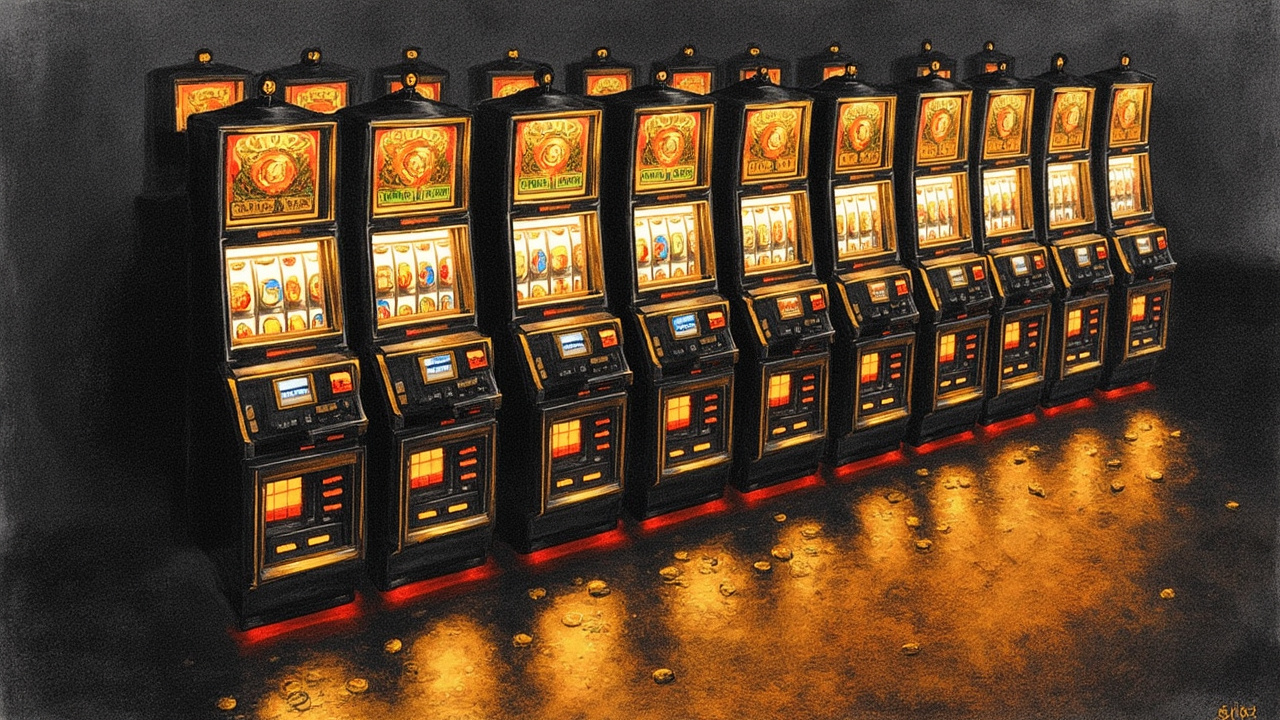
Digital scratch cards do not work like the foil tabs you scratch with a coin at the pub, because the outcome is locked in the moment you buy the ticket, not when you reveal the symbols. Each game runs on a pre-set pool of winning and losing tickets, which means the advertised return-to-player figure is a long-run average, not a promise for your next ten clicks. A sensible scratch card strategy online means checking whether the game uses fixed prizes or tiered multipliers, because tiered games can pay small amounts often while hiding the fact that the top prize is mathematically thin. You should also look at the ticket price versus the maximum win, since a $5 ticket with a 500x cap rarely behaves the same as a $1 ticket with a 200x cap over a short session. The volatility matters more than the theme, and that is where a lot of players get distracted by bright graphics instead of the underlying maths. If you want to compare how a developer structures random outcomes across different formats, you can read about the legacy of dead slot and see how a single mechanic can reshape expectation tables across a whole product line. The real lesson is that a flashy reveal animation does not change the odds, so pick the game by its paytable and your bankroll, not by the artwork on the card.
Bankroll Limits and Session Control That Stick
A workable plan starts before you open the site, because deciding your session limit in the middle of a winning streak is like trying to bail out a tinny with a coffee mug. Set a hard stop for the amount you are willing to spend in one sitting, and treat that figure as money you have already spent on entertainment, not money you expect back. Break that total into smaller ticket batches so you are not burning through a fortnight’s fun money in one heated round after a flat tyre on the way to work. Some platforms let you set deposit limits or reality checks, and using those tools is smarter than relying on willpower when the pop-ups start coming thick and fast. You should also decide your exit rule before the first ticket, such as walking away after a set number of losing tickets or when you have hit a modest win that doubles your starting stack. Chasing a bad run by raising your ticket size is the fastest way to turn a quiet night into a regretful one, and no amount of luck reverses a tilted budget. If you are weighing how a site’s payment flow fits into that control plan, the legacy of dead slot shows how quickly a session can drift when the cashier and the game screen are a single click apart. The point is to make the friction work for you, not against you, so your limits are baked into the session rather than tacked on after the fact.
Payments, Verification and Getting Cash Out Smoothly
Money flow is where a lot of online scratch card strategy online plans fall apart, because winning a few tickets means nothing if the cashier is slow, opaque, or locked behind a verification queue you did not expect. A solid operator lets you move between AUD and your chosen method without hidden conversion fees, and the deposit path should be clear about whether you are funding a bonus balance or a real-money balance from the first click. You want to know the processing window for withdrawals before you put money in, because a site that advertises instant play but takes days to pay out is not matching its marketing with its actual operations. Identity checks are part of the deal in Australia, so have your details ready before you try to cash out, and expect a short verification step rather than assuming every withdrawal will fly through on the first try. Some platforms tier their withdrawal limits by payment method, so a card withdrawal might run at a different speed or cap than an e-wallet, and that difference can shape which method you use for deposits in the first place. If you are comparing how a brand handles its cashier flow and player support, the legacy of dead slot is one example of how a single product can sit inside a broader payment and bonus structure that players need to read carefully. The practical takeaway is to treat the cashier like part of the game, not an afterthought, because a smooth deposit means little if the withdrawal path is clunky when you actually want your money back. legacy of dead slot
What the Experts Say About Scratch Card Expectations
Industry voices tend to warn players away from reading bonus terms as if they were a guarantee, because the wording on free tickets and capped wins can quietly change what a session is actually worth. Claire Lee, Head of Product, Capital Territory Gaming Forum, has noted that players often overestimate how much a bonus scratch card adds to their expected return, when the real value is usually in the extra play time rather than a hidden edge. William Fisher, Commercial Director, Tasman Gaming Partners, has pointed out that the fastest way to misread a digital scratch card is to treat a promotional round as a separate game, when it is usually just a restricted set of tickets with its own payout limits. Both views line up with the same practical point: read the terms on any bonus or free ticket before you buy, and do not assume a promotional balance behaves like your own deposited money. That kind of caution is especially useful when you are comparing operators, because the marketing can make a game look generous while the fine print keeps the actual payouts tightly scoped.

Quick Glossary
- Return-to-player (RTP): the long-run percentage of ticket money a game is designed to pay back across all players.
- Volatility: how often and how large the wins tend to be, with high volatility meaning fewer but bigger payouts.
- Ticket price: the cost of one scratch card entry, which sets the baseline for your session spend.
- Bonus balance: funds or free tickets granted under promotional terms, usually with separate wagering or withdrawal rules.
- Verification: the identity check a site runs before processing withdrawals, common for AU players.
A good scratch card strategy online is mostly about discipline, because the game is built to be instant and entertaining rather than predictable. Pick your ticket size, read the paytable, set your exit rule, and treat any bonus as a limited extra rather than a shortcut to profit. If you keep your session size realistic and your cashier expectations honest, you can enjoy the quick hit without turning a quiet arvo into a costly one.