You walk into a busy venue on a Friday arvo, scan the cabinet lights, and notice a screen cycling through tournament brackets and limited-time prize tiers. That is the basic shape of pokies with special event version, where a standard reel layout sits on top of a timed competition layer. The trick is knowing which screen actually matters when you press spin, because the event overlay can hide the base game controls if you are not used to the layout.
Reading the Event Banner Before You Spin
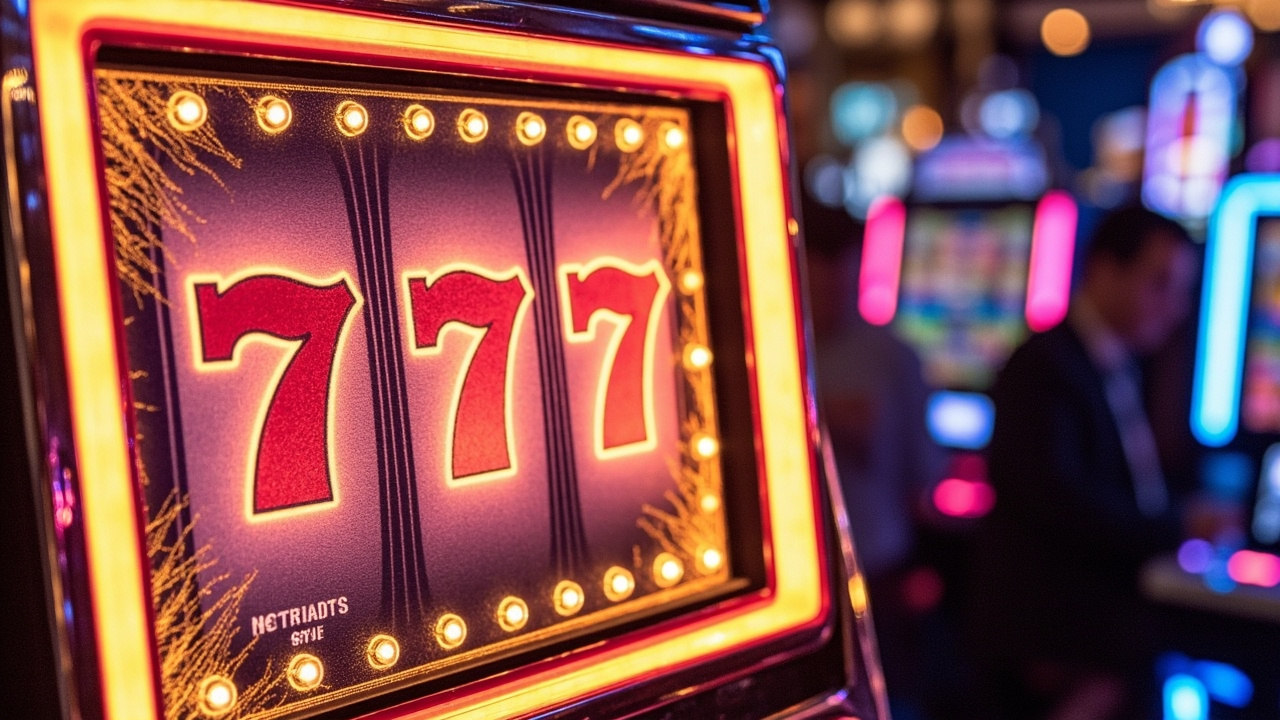
The first thing you notice is the banner strip running across the top of the interface, usually carrying a countdown timer, a live participant count, and a prize pool that updates in real time. In a well-built local version, that strip sits above the paytable rather than covering the reels, so you can still read symbol values without tapping around. I have spent years building support queues for multilingual player communities, and the clearest interfaces always separate “what is happening now” from “what I am doing now” instead of cramming both into the same tile. A Perth lounge I watched during a summer promo had the event progress pinned to a side rail, which meant older players could follow the bracket without losing the spin button to a pop-over. If you are checking a site like https://spinsamuraireviews.com before you deposit, look for that kind of separation rather than a single crowded header that forces you to guess which number is the prize and which is the timer.
How the Event Mode Changes the Spin
Once you enter the event, the base game does not disappear; it just gains a second scoring track that runs alongside your regular wins. In the version I am walking through here, every qualifying spin adds points to a personal ladder, and the ladder feeds a live prize draw at the end of the window rather than handing out instant cash on each line hit. That distinction matters because the maths on the event track are separate from the base RTP, so a dry run of spins can still move you up the leaderboard without a big payout on the reels. The visual cue is usually a small ring or bar around the credit display that fills as you accumulate event points, and the help tab explains the qualifying symbol and the minimum bet needed to stay in the draw. Support teams I have staffed for community ops know that players most often contact us when they assume the event meter is a bonus trigger, so the clearest versions spell out the scoring rule in plain English before the first spin.
Navigation, Language and Currency on the Floor
A practical test of any event version is whether you can move between the lobby, the event room, and your wallet without losing your place in the tournament. The layout I am describing keeps a persistent back button that returns you to the exact cabinet you were playing, rather than dumping you into a generic home screen, and the currency selector sticks to Australian dollars with cents shown in the balance rather than rounded whole numbers. Localisation is where I judge a product most harshly, because a community that speaks English as a first language still expects local spelling, local date formats, and a help section that does not sound like it was translated from a US marketing sheet. When the event page loads in a Perth venue on a slow connection, the timer should keep counting down from the server side rather than freezing on the client, and the balance should update in the same currency you registered with, not flip between dollars and a generic bonus token.
Support, Registration and the Event Window
Signing up for the event usually happens from a small panel beside the reels rather than through a separate registration flow, which keeps the process short and lets you confirm your age and account details before the timer starts. The support side matters just as much, because a timed event creates a spike in questions about whether a spin counted, whether the prize pool is still open, and how the leaderboards are ranked. In the operations work I have done across customer-support and Web3 communities, the most reliable setups give agents a shared view of the event log so a player can show a timestamp and a spin ID instead of describing the screen from memory. A good version also caps the event window clearly, lists the prize tiers in the same panel where you join, and keeps the withdrawal path separate from the event score so you are never guessing whether a payout will reset your place on the ladder.
The main takeaway is that pokies with special event version work best when the event layer is clearly separate from the base game, the scoring rules are written in plain language, and the support tools can actually look up your spins rather than just reading a script.
- Event ladder – a timed score track that runs alongside base-game wins and feeds a prize draw.
- Qualifying spin – a bet that meets the minimum stake and symbol conditions needed to add points to the event track.
- Prize pool – the total value set aside for the event, often split across leaderboard positions or random draws.
- Server timer – the countdown managed on the operator side so the event window stays consistent across machines and connections.
Leave a Reply